

Siding Contractor NJ – American Home Remodeling

Are you a New Jersey homeowner searching for a trusted siding contractor NJ? American Home Remodeling helps New Jersey homeowners compare siding contractors, understand material options, and plan installation, replacement, or repair. Choosing the right NJ siding contractor matters because siding must withstand New Jersey weather, meet applicable codes and product requirements, and protect your home and investment. This guide compares common siding materials, explains the differences between our services, and outlines how to choose a qualified contractor. The right siding system and professional installation can improve weather protection, curb appeal, and energy efficiency.
Professional Siding Services for New Jersey Homes
Siding is a key part of your home's exterior weather-protection system. In New Jersey, it must withstand rain, wind, snow, humidity, and temperature changes while helping manage moisture and support insulation. At American Home Remodeling, we pair material guidance with careful installation to help homeowners protect and update their homes.
Our licensed and insured team offers siding installation, replacement, and repair, with vinyl, fiber cement, James Hardie, composite, wood, and insulated siding options. We serve homeowners across New Jersey and offer warranties and flexible financing. Contact us for a free estimate, or learn more about American Home Remodeling's full suite of home improvement services and New Jersey roofing and siding services.
Below, we detail each of our siding services and material options to help you understand which choices best fit your home's needs.
Our Siding Services
Siding contractors typically offer installation, replacement, and repair services. Our team can help you determine which service is appropriate for your home's condition and project goals.
Siding Installation
For new construction or a home receiving siding for the first time, installation starts with evaluating the exterior and selecting a suitable material. Our team follows manufacturer guidelines and industry practices, then installs the siding and finishing details to support a clean appearance and lasting performance.
Siding Replacement
Replacement is appropriate when siding is extensively aged, damaged, or no longer performing well. We remove existing material, inspect the underlying surfaces, and address identified damage before installing new siding. This process distinguishes replacement from a repair: it allows broader inspection of the wall assembly and a coordinated update to the home's exterior.
Siding Repair
Repair addresses localized problems such as loose panels, cracks, or storm damage when the rest of the siding remains serviceable. Our team assesses the affected area and restores its appearance and function using appropriate materials. If damage is widespread or underlying conditions are present, we can discuss whether replacement is a better long-term option.
Contact Us
Call us or fill out our contact form on this page for a FREE Estimate.
Contact Us
We will get back to you as soon as possible.
Please try again later.
Other Services


Siding Materials We Install
Vinyl, fiber cement, and composite siding options are available, along with wood and insulated siding. Compare the materials below by relative cost, durability, maintenance, and key considerations.
| Siding Material | Relative Cost | Durability | Maintenance | Key Consideration |
|---|---|---|---|---|
| Vinyl | $ | Good | Low | Affordable, many colors and styles; can be vulnerable to impact damage. |
| Fiber Cement | $$$ | High | Moderate | Durable, fire-resistant, wood-like appearance; heavier and usually higher cost. |
| Composite | $$–$$$ | Good to high | Low to moderate | Wood-inspired looks; performance and care depend on product. |
| Wood | $$$ | Moderate | High | Natural character; requires routine painting or sealing and moisture checks. |
| Insulated Vinyl | $$ | Good | Low | Adds an insulation layer; benefits depend on existing wall performance. |
Costs are approximate and vary with home size, access, design details, substrate condition, and product selection. Vinyl typically costs less upfront, while fiber cement often costs more and may offer a different balance of durability and appearance. Compare complete project estimates—not material prices alone—including removal, repairs, trim, flashing, and installation. Our team provides professional siding installation in Essex County, NJ, as well as service in nearby areas.
Vinyl Siding Installation
Vinyl is a popular choice for New Jersey homeowners seeking affordability, low maintenance, and a wide selection of colors and profiles. It resists moisture, fading, and pests, although impact, temperature, and installation conditions still matter. It is often a practical fit when value and easy upkeep are priorities.
Fiber Cement and James Hardie Siding
Fiber cement offers a substantial, wood-like appearance and strong resistance to fire, rot, and insects. It is a durable option for homeowners prioritizing longevity and design flexibility, but it generally costs more than vinyl and requires the installation methods specified by the manufacturer. James Hardie is a brand of fiber cement siding; its products should be installed according to the applicable product requirements.
Composite / Engineered Siding
Composite siding blends materials to provide wood-inspired styles with less routine upkeep than natural wood. Product performance, finish, and warranty differ by manufacturer, so compare specifications and installation requirements for the particular product under consideration.
Wood Siding
Wood siding gives a home natural warmth and character, making it a good match for traditional architecture. It requires more maintenance than vinyl or many composite products: regular inspection, painting or sealing, and prompt attention to moisture help prevent deterioration.
Insulated Siding
Insulated vinyl siding adds a backing intended to reduce drafts and improve the wall's thermal performance. It may improve comfort, but actual energy savings depend on the home's existing insulation, air sealing, and overall condition. Consider it when energy efficiency is a priority and compare its added cost with other insulation upgrades.
Contact Us
Call us or fill out the contact form on this page for a free estimate.
How to Choose the Right Siding for Your NJ Home
Start with your priorities, the home's existing exterior, and local conditions. Vinyl and some composite products can suit homeowners seeking low maintenance. Fiber cement can be a strong choice for durability and a wood-like finish, while natural wood suits homeowners prepared to maintain it. Insulated siding may be worth comparing if comfort and energy performance are key goals.
- Low maintenance: Consider vinyl or appropriate composite products.
- Durability: Compare fiber cement specifications and warranties.
- Traditional appearance: Explore wood or wood-look profiles.
- Energy efficiency: Assess insulated siding alongside air sealing and other insulation improvements.
- Coastal exposure: Select products and installation details suited to wind, moisture, and salt air.
When siding and windows are both aging, coordinating the projects can create a more consistent exterior update. See our window installation and replacement services when planning improvements, and explore climate-resilient siding options for Sussex County homes.
The right material can add lasting value as well as protection. Our
Essex County siding contractors can help assess which options fit your home's needs.
Our Siding Installation Process
- Home evaluation: We assess existing siding, exterior condition, windows, doors, trim, roof intersections, gutters, and potential moisture concerns as part of our New Jersey home remodeling services.
- Material selection: We discuss material, style, and performance priorities, including whether siding and window work should be coordinated.
- Removal of existing siding: For replacement, we carefully remove old siding to expose the underlying surface for inspection.
- Inspection of underlying surfaces: We check for damaged sheathing, rot, moisture intrusion, deteriorated framing, and signs of improper prior installation. If hidden damage is found, we explain the condition and proposed work before proceeding.
- Moisture protection: We plan house wrap, flashing, drainage, and sealing details to help direct water away from the home.
- Siding installation: Installers follow the product manufacturer's specifications. James Hardie and other branded systems may have specific handling and installation requirements; see our Bergen County siding contractor services.
- Trim and detail work: We complete relevant soffit, fascia, trim, and finishing details.
- Window and door flashing: We pay close attention to sealing around openings, including on Somerset County siding installation projects.
- Final inspection: We review the completed work for quality and completeness.
- Cleanup: We tidy the work area and remove project debris.
Signs You Need to Replace Your Siding
- Cracked, warped, loose, or bubbling panels: These may indicate damage or deterioration.
- Peeling paint or faded color: A worn finish can be a sign that siding needs attention.
- Rot, moisture damage, or mold growth: These conditions may point to water intrusion or underlying issues.
- Increased drafts or damaged insulation: These may suggest that the exterior is no longer performing as intended.
- Frequent painting or repairs: Repeated maintenance can make replacement worth considering.
- Storm damage: Severe or widespread damage may require replacement.
- Siding reaching the end of its service life: Aging siding may no longer provide reliable performance.
A localized issue may be repairable, while widespread deterioration can make replacement more practical. An inspection can help identify the scope of the problem.
What Makes a Good Siding Installation?
Quality installation depends on more than the visible panels. It includes:
- Correct fastening, spacing, and overlap
- Proper flashing and moisture management
- Careful sealing around windows and doors
- Appropriate trim and expansion clearances
- Following the manufacturer's specifications
- Preparing the substrate before installation
- Maintaining a clean, safe work area
How to Choose a Siding Contractor in New Jersey
- Registration: Verify New Jersey contractor registration and ask for the registration number. In New Jersey, home improvement contractors must be registered with the Division of Consumer Affairs and hold a Home Improvement Contractor (HIC) license.
- Insurance: Confirm general liability insurance and workers' compensation insurance if the contractor has employees.
- Written estimate: Request an estimate with the scope, materials, and expected timeline.
- References and project photos: Review references and examples of work similar to your home.
- Warranty coverage: Clarify workmanship and product warranty coverage.
- Payment and financing: Understand the payment schedule and any financing terms.
- Property protection and cleanup: Ask how the contractor protects the property and handles cleanup.
- Work crew and permits: Confirm who performs the work and who is responsible for permits.
- Local requirements: Choose a contractor familiar with local codes and permit requirements, such as our teams providing
Union County siding installation and
Morris County siding and exterior remodeling.
Verifying Your NJ Siding Contractor: Credentials & Consumer Protection
Before hiring a siding contractor, take steps to verify credentials and compare proposals:
- Registration: New Jersey home improvement contractors must be registered with the state. Ask for the registration number and confirm it through the New Jersey License Verification portal.
- Insurance: Request certificates of general liability and workers' compensation insurance.
- Written estimates: Compare at least three written estimates, reviewing scope and materials as well as price.
- References: Ask for references from recently completed projects near your home, including examples of our Passaic County siding installations.
- Contract: Review the contract for project details, materials, payment schedule, and warranty terms. New Jersey requires written contracts for home improvement projects over $500.
- Financing: Review financing terms before applying. Available options may include 0% interest for up to 18 months and 100% financing for qualified customers, subject to approval and the applicable terms.
Why Verifying a Siding Contractor's Credentials Matters in New Jersey
Hiring a registered and insured contractor helps protect your home and investment and supports compliance with state requirements. Checking references, contract details, and the contractor's reputation can also help you assess reliability. Verify credentials and understand the agreement before work begins.

Why Choose American Home Remodeling?
American Home Remodeling has served New Jersey homeowners since 1988. Our licensed and insured team provides siding installation, replacement, and repair, as well as roofing and other remodeling services. We have completed over 1,000 siding installations and replaced or repaired over 5,000 roofs. Learn more about our family-owned New Jersey remodeling company, roof installation and repair services, and roofing and siding services.
Our credentials include GAF Master Elite status, held by only 2% of roofers, and James Hardie Elite Preferred recognition. We offer flexible financing, manufacturer product warranties, and one to two years of workmanship and labor coverage on services. Financing can make upgrades more accessible and help homeowners manage renovation costs; options include 0% interest for up to 18 months and 100% financing for qualified customers, subject to approval. We can also coordinate exterior projects with other home improvements when it makes sense for your home.
Frequently Asked Questions About a NJ Siding Contractor and Siding Services
Costs and Timeline
How much does siding cost in New Jersey?
Costs vary based on material, home size, access, and project scope. Vinyl is typically the most affordable option, while fiber cement and wood generally cost more. Ask for a written estimate that explains removal, repairs, materials, and installation.
How long does siding replacement take?
Most siding replacement projects take several days to a week, depending on the home's size, complexity, weather, and any repairs needed beneath the existing siding.
How long does siding installation take?
Installation can take a few days to a week, depending on project size, design, weather, and whether repairs are required.
Should I replace siding and gutters together?
Not always, but coordinating the work can help address exterior water management and appearance. The decision depends on the condition of each system.
Should I replace siding and roofing together?
It can make sense when both systems are aging, but project timing depends on the home's needs and budget. When work is coordinated, roof replacement itself often takes one to three days, depending on size and complexity. Explore our roof replacement services.
How do I verify a siding contractor's credentials in New Jersey?
Check state registration, insurance certificates, references, BBB rating, and written contracts before hiring.
Materials and Maintenance
How long does siding last?
Service life depends on product, installation, exposure, and maintenance. Vinyl can last 20–40 years, fiber cement 30–50 years, and wood 20–40 years with proper care; specific product warranties and conditions vary.
What is the best siding for a New Jersey home?
It depends on your budget, preferred appearance, maintenance expectations, and exposure. Vinyl is affordable and low maintenance, fiber cement is durable and fire-resistant, wood offers a traditional look but needs more care, and insulated vinyl may support comfort and energy efficiency.
Is vinyl siding good for NJ weather?
Vinyl is a popular, low-maintenance option for New Jersey's varied climate. Select a suitable product and rely on professional installation that accounts for local exposure and the home's details.
What is fiber cement siding?
Fiber cement is a durable siding material that can resemble wood and resist fire, rot, and insects. It is heavier than vinyl and requires installation according to the manufacturer's specifications.
Is James Hardie siding worth considering?
James Hardie is a premium fiber cement option known for durability and a range of styles. Compare its cost, product warranty, and installation requirements with other materials to decide whether it suits your project.
What is insulated vinyl siding?
Insulated vinyl siding has a foam backing intended to improve the wall's thermal performance and reduce drafts. Results depend on the home's existing insulation and air sealing.
Does new siding improve energy efficiency?
It can, particularly when insulated siding is selected and underlying air leaks or insulation issues are addressed. The effect depends on the home's overall condition.
How often does siding need maintenance?
Vinyl and many composite products generally need less upkeep than wood. Wood siding requires regular inspection, painting or sealing, and prompt moisture repairs. Follow the product manufacturer's care instructions.
How do I maintain vinyl siding?
Clean it periodically with mild detergent and water, and follow the manufacturer's guidance. Avoid harsh chemicals and cleaning methods that could damage the siding.
How do I maintain fiber cement siding?
Inspect it regularly for damage, keep it clean, and maintain painted finishes according to the product requirements. Follow the manufacturer's recommendations for repainting and repairs.
What warranties come with siding?
Coverage varies by manufacturer and contractor. Review product warranty documents and the contractor's written workmanship coverage before agreeing to the project.
What siding is best for coastal New Jersey?
Compare products suited to wind, moisture, and salt-air exposure, including appropriate vinyl and fiber cement options. Installation details and ongoing maintenance also affect performance.
Contractor Selection and Credentials
How do I choose a siding contractor in NJ?
Verify registration and insurance, compare detailed written estimates, check references, and review warranty terms. Ask who will perform the work and how permits, local codes, hidden damage, and cleanup will be handled.
Does siding require a permit in New Jersey?
Requirements vary by municipality and project scope. Confirm local rules with the building department and ask your contractor who will handle any required permits.
How do I verify a siding contractor's credentials in New Jersey?
Check state registration, insurance certificates, references, and the written contract. You can verify registration through the New Jersey License Verification portal.
Installation Process
How do I know if I need siding replacement?
Cracked, warped, or loose panels, peeling paint, moisture damage, mold, frequent repairs, and widespread aging may indicate replacement is worth considering. An inspection can determine whether repair is sufficient.
Can damaged siding be repaired instead of replaced?
Yes. Localized cracks, loose panels, or isolated storm damage can often be repaired. Extensive damage or widespread deterioration may make replacement more appropriate.
Does siding prevent water damage?
Siding is part of an exterior system. Proper installation with house wrap, flashing, and drainage details helps manage water and reduce the risk of intrusion.
Should house wrap be installed beneath siding?
A suitable water-resistive barrier and correctly detailed flashing help protect the wall from moisture. The appropriate assembly depends on the home and applicable product requirements.
What happens if there is rot underneath old siding?
Rot should be assessed and repaired before new siding is installed. Replacement allows the underlying surface to be inspected; the contractor should explain the damage and proposed repairs.
Can siding be installed over existing siding?
It may be possible in some situations, but removal is often recommended because it allows inspection of sheathing, moisture barriers, and flashing. Ask the contractor to explain the best approach for your home's condition.
What Our Customers Say
Read customer reviews to learn about homeowners' experiences with communication, workmanship, and project completion.
Customer feedback can help you gauge the level of care, communication, and whether concerns were resolved throughout the job.


Portfolio
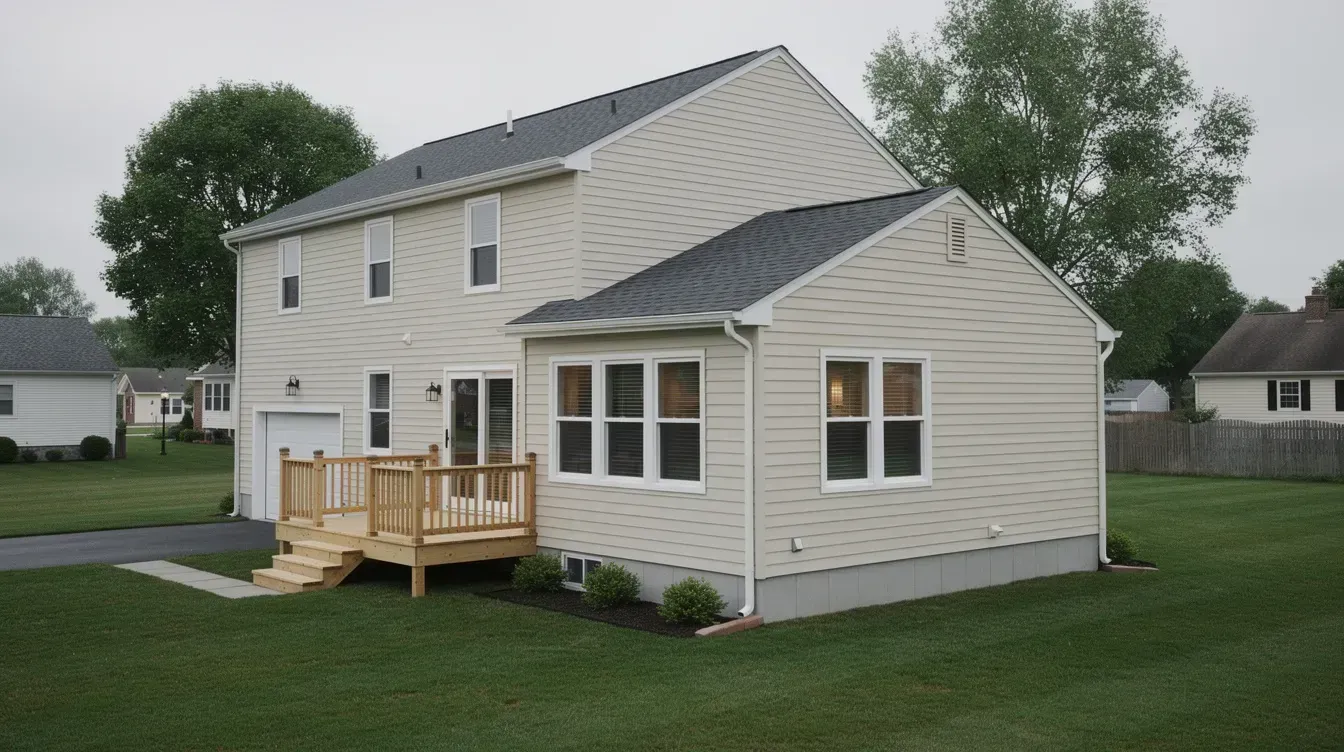
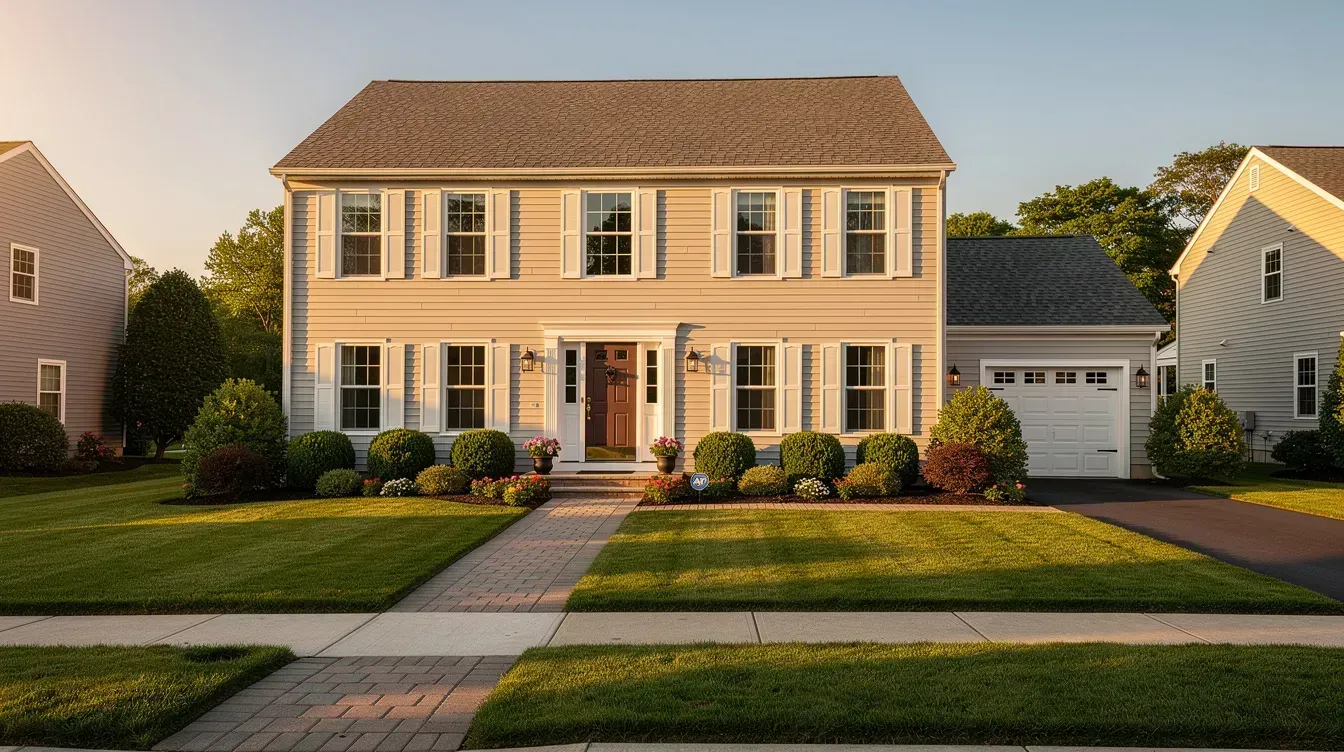
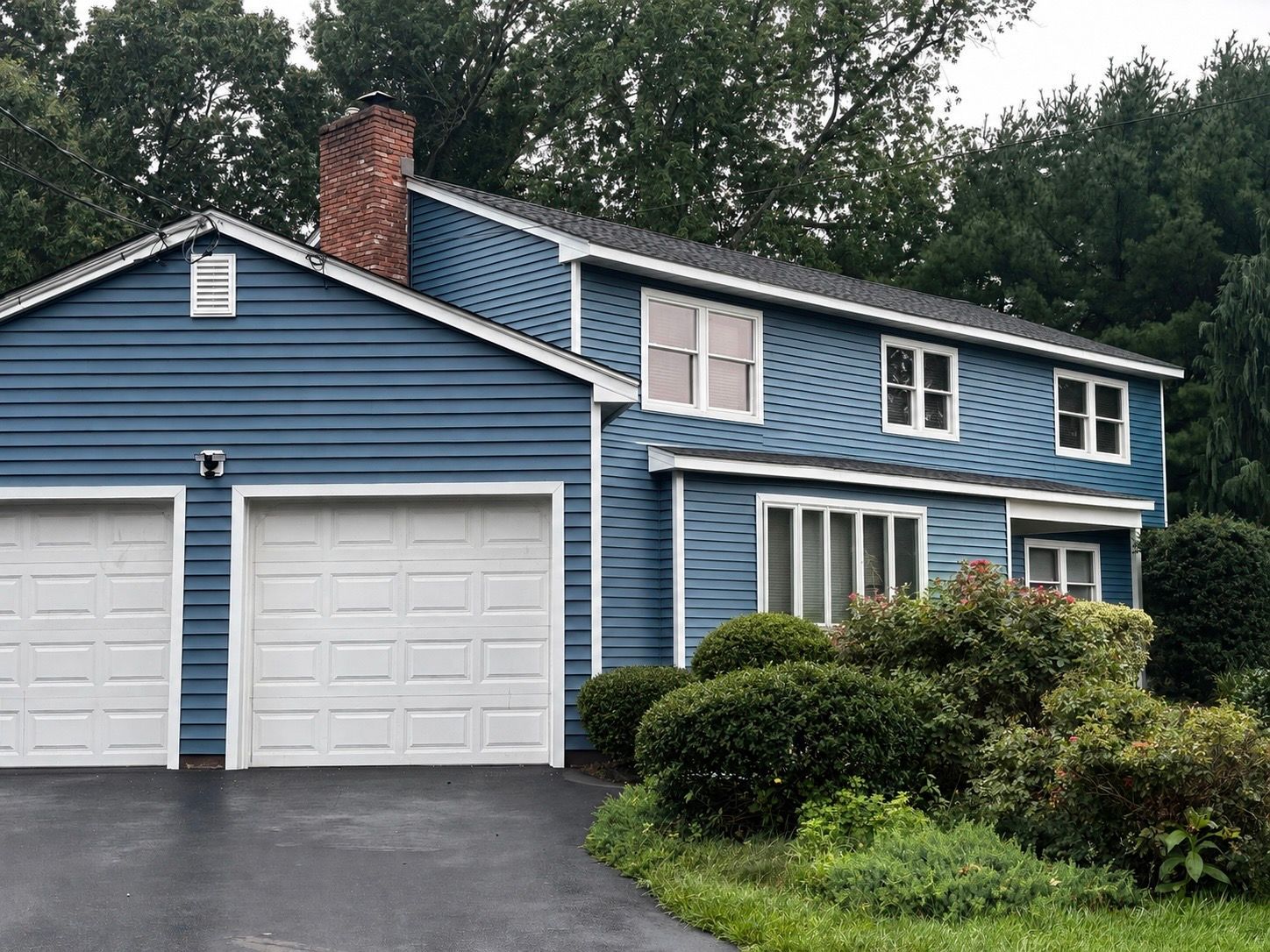
Explore our portfolio to view completed siding installations and replacements on homes of different styles across New Jersey.


Schedule Your Free Siding Estimate
Contact American Home Remodeling to schedule a free, no-obligation siding consultation. During your estimate, discuss siding materials, project scope, and any related window or exterior improvements. We serve homeowners across multiple New Jersey counties and can also talk through other home improvement needs, including kitchen remodeling and bathroom remodeling. Our team can help you compare options, understand the work involved, and plan a project that fits your home and budget.